
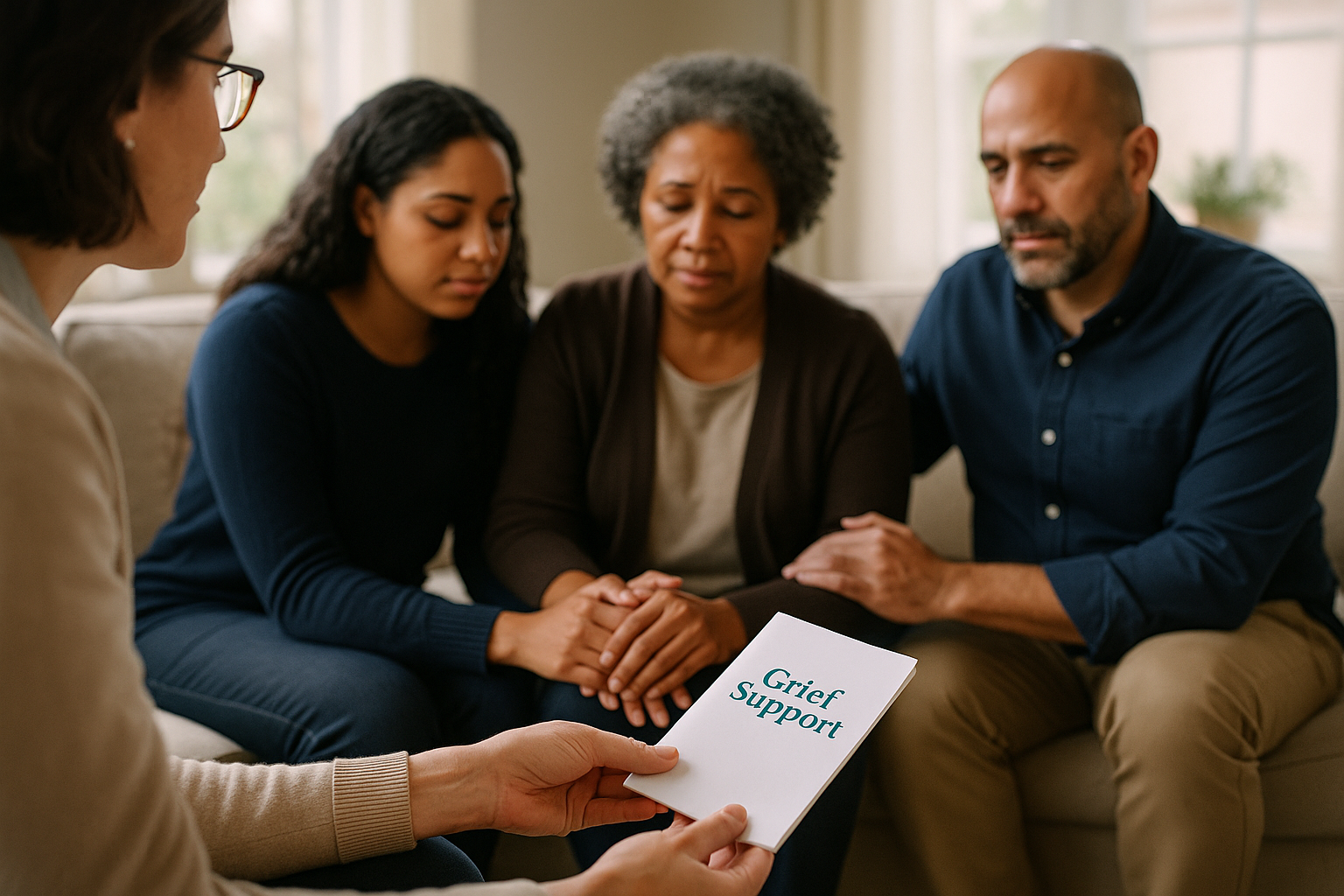
Losing a loved one is one of life’s most profound challenges, leaving families to face not only emotional pain but also numerous practical questions. Navigating grief requires more than strength; it calls for reliable support and trustworthy guidance. In this article, we explore the essential grief support resources available to families seeking hope, dignity, and understanding after a loss.
Understanding Grief and Its Impact on Families
Grief is a deeply individual and yet profoundly shared experience, changing shape depending on each person and their family’s unique context. After a loss, grief can wash over families in ways that are emotional, physical, and practical—all at once or in unpredictable cycles. While sadness is often recognized, grief can also bring waves of anger, guilt, numbness, or even relief, each representing valid responses to profound loss. These feelings may vary between family members, and even within oneself from day to day. Relationships with the person who has died, the intricacies of family dynamics, and the specific circumstances of the loss all influence how each person responds. Culture, spiritual beliefs, family traditions, and the support networks already in place play an essential role in shaping these reactions. It is important to acknowledge that grief doesn’t happen on a set schedule; it can affect sleeping and eating patterns, memories, concentration, and moods in unexpected ways. Children, teens, adults, and elders may display their grief differently—while a child might become withdrawn or act out, adults may attempt to maintain normal routines, despite struggling beneath the surface. Beyond the initial emotional pain, families often face significant disruptions to daily life. There may be sudden financial pressures, responsibilities shifting among remaining family members, and an overwhelming need to address practical matters like legal paperwork, funeral arrangements, or changes in living situations. The sense of stability and safety that once felt assured can seem shaken or lost entirely. Amid this turmoil, it is vital to recognize that every feeling—no matter how fleeting or intense—deserves validation. Making space for anger, confusion, yearning, disbelief, or even indifference allows each person to process in their own way. Reaching out for professional guidance or connecting with community resources can offer comfort and direction, encouraging healing and offering support tailored to the needs of each individual and family.
Finding Compassionate Support: Professional and Peer Resources
Finding compassionate support in times of grief often requires reaching beyond familiar circles. Many families turn to professionals specially trained to address the multidimensional pain of loss. Grief counselors and therapists offer spaces where families and individuals can safely unpack complex emotions, work through trauma, and learn coping strategies tailored to their unique situations. These professionals may employ a range of modalities—from talk therapy to trauma-informed approaches—ensuring support resonates with each person’s circumstances, values, and preferences. Social workers, both in clinical and community settings, can guide families not only through emotional healing but also assist them in navigating practical challenges, such as managing paperwork, coordinating resources, or accessing financial assistance after a loss. In addition to one-on-one support, group settings can be transformative. Grief support groups—available both in-person at local centers or virtually from anywhere—allow families to connect with others who have endured similar losses. In these spaces, participants share stories, offer mutual encouragement, and reduce feelings of isolation. There are groups tailored for various relationships and types of losses, such as parents, partners, siblings, and children, as well as culturally specific or faith-based circles. For those who feel uncomfortable sharing publicly, some organizations offer anonymous or text-based support options. Accessing credible resources is essential. Families can consult national organizations like the National Alliance for Grieving Children, local hospice agencies, or mental health networks for vetted referrals. Many hospitals and funeral homes provide lists of trusted counselors and peer groups. When searching online, look for organizations with licensed professionals and clear privacy policies. Inclusivity is fundamental in grief support. Quality resources welcome all backgrounds, recognizing every family’s traditions and beliefs. More groups are addressing the unique needs of LGBTQ+ families, non-English speakers, and those in rural or remote areas through culturally sensitive facilitators or multilingual services. With growing virtual options and expanding community partnerships, compassionate support for grief is becoming increasingly accessible, offering hope that no family has to navigate loss in isolation.
Community Care and Volunteer-Driven Support Networks
Beyond professional and peer-led groups, families in mourning often find vital aid from the heart of their own communities. Community organizations, faith groups, and volunteer programs such as the National Alliance of Family and Peer Advocate Programs (NAFPAP) stand as lifelines, offering both tangible and emotional havens of care. Their impact stretches from practical daily relief to the subtle reassurance that comes simply from not having to shoulder loss alone. When grief makes organizing daily life feel impossible, the basic responsibilities—meals, transportation, caring for children—can feel overwhelming. Volunteer-driven initiatives respond directly to these gaps. Meal trains, where neighbors or church members arrange home-cooked deliveries, provide sustenance and a daily reminder that others care. Meanwhile, faith groups frequently organize childcare rotations or ride shares to appointments and events, ensuring children or elders continue to receive attention and that surviving family members can attend to pressing needs or moments of rest. Beyond logistics, these networks supply vital companionship. Volunteers from the community or agencies like NAFPAP often receive basic grief support training, learning how to listen and be a compassionate presence without judgment or urgency to “fix” pain. Sometimes, simply sitting with a grieving person and sharing silence can be as invaluable as handling chores. In multicultural neighborhoods, culturally specific groups—like cultural associations or language-specific outreach teams—may ensure traditions are respected and that no one navigates grief in isolation due to language or custom barriers. Encouraging collaboration between families, faith organizations, social service agencies, and volunteer programs means no family is left unsupported. Families are urged to reach out, and community members are encouraged to volunteer, fostering a web of care woven from each person’s willingness to help. Such collective strength ensures that, when loss occurs, a nurturing network steps in, reducing isolation and making daily burdens easier to bear.
Financial Relief and Accessing Funeral Assistance
Financial stress often compounds grief, adding a layer of anxiety that can make loss feel overwhelming. For many families, the cost of funerals, memorial services, and necessary arrangements can be unexpectedly high, deepening the emotional toll. Recognizing this intersection, specific support mechanisms exist to help families cope with these financial burdens and ensure that every loved one is honored with dignity, regardless of their economic situation. Numerous organizations offer direct funeral assistance or help families access available aid. Some nonprofits specialize in providing grants or short-term loans to cover funeral costs for those in need. Others assist by negotiating directly with funeral homes—often securing reduced rates or simpler packages that still offer meaningful commemoration, protecting families from potential exploitation during their most vulnerable moments. In addition, many local and faith-based groups maintain emergency funds or coordinate fundraising efforts, such as online campaigns and community drives. On the governmental side, certain state and federal programs provide financial relief for eligible families. Programs like Social Security’s lump-sum death benefit, veterans’ burial allowances, and, in some regions, assistance through public health or human services departments can mitigate expenses. Families may also find support through life insurance policies, unions, or benevolent societies associated with their loved one’s employment or community affiliations. Accessing this help requires both knowledge and confidence. Practical steps include gathering essential documents—such as a death certificate and proof of relationship—reaching out to local social services, or directly contacting organizations dedicated to funeral assistance. Families are encouraged to be transparent about their financial limitations when querying funeral homes; advocacy groups can accompany families in these conversations, ensuring clarity and respect in the negotiation process. Requesting financial relief is not only a matter of necessity but a vital aspect of preserving dignity and allowing families to focus on healing. By equipping themselves with information and advocating openly for their needs, families can navigate the challenging intersection of loss and financial strain with greater assurance.
Conclusions
Grief is deeply personal, yet no family should endure it in isolation or bear the added weight of financial or emotional uncertainty. Reliable grief support resources, compassionate community care, and practical assistance restore hope and dignity, honoring every loved one’s memory. Together, we can ensure that families find comfort, relief, and understanding through life’s most difficult moments.
Understanding Grief and Its Impact on Families
Grief is a deeply individual and yet profoundly shared experience, changing shape depending on each person and their family’s unique context. After a loss, grief can wash over families in ways that are emotional, physical, and practical—all at once or in unpredictable cycles. While sadness is often recognized, grief can also bring waves of anger, guilt, numbness, or even relief, each representing valid responses to profound loss. These feelings may vary between family members, and even within oneself from day to day. Relationships with the person who has died, the intricacies of family dynamics, and the specific circumstances of the loss all influence how each person responds. Culture, spiritual beliefs, family traditions, and the support networks already in place play an essential role in shaping these reactions. It is important to acknowledge that grief doesn’t happen on a set schedule; it can affect sleeping and eating patterns, memories, concentration, and moods in unexpected ways. Children, teens, adults, and elders may display their grief differently—while a child might become withdrawn or act out, adults may attempt to maintain normal routines, despite struggling beneath the surface. Beyond the initial emotional pain, families often face significant disruptions to daily life. There may be sudden financial pressures, responsibilities shifting among remaining family members, and an overwhelming need to address practical matters like legal paperwork, funeral arrangements, or changes in living situations. The sense of stability and safety that once felt assured can seem shaken or lost entirely. Amid this turmoil, it is vital to recognize that every feeling—no matter how fleeting or intense—deserves validation. Making space for anger, confusion, yearning, disbelief, or even indifference allows each person to process in their own way. Reaching out for professional guidance or connecting with community resources can offer comfort and direction, encouraging healing and offering support tailored to the needs of each individual and family.
Finding Compassionate Support: Professional and Peer Resources
Finding compassionate support in times of grief often requires reaching beyond familiar circles. Many families turn to professionals specially trained to address the multidimensional pain of loss. Grief counselors and therapists offer spaces where families and individuals can safely unpack complex emotions, work through trauma, and learn coping strategies tailored to their unique situations. These professionals may employ a range of modalities—from talk therapy to trauma-informed approaches—ensuring support resonates with each person’s circumstances, values, and preferences. Social workers, both in clinical and community settings, can guide families not only through emotional healing but also assist them in navigating practical challenges, such as managing paperwork, coordinating resources, or accessing financial assistance after a loss. In addition to one-on-one support, group settings can be transformative. Grief support groups—available both in-person at local centers or virtually from anywhere—allow families to connect with others who have endured similar losses. In these spaces, participants share stories, offer mutual encouragement, and reduce feelings of isolation. There are groups tailored for various relationships and types of losses, such as parents, partners, siblings, and children, as well as culturally specific or faith-based circles. For those who feel uncomfortable sharing publicly, some organizations offer anonymous or text-based support options. Accessing credible resources is essential. Families can consult national organizations like the National Alliance for Grieving Children, local hospice agencies, or mental health networks for vetted referrals. Many hospitals and funeral homes provide lists of trusted counselors and peer groups. When searching online, look for organizations with licensed professionals and clear privacy policies. Inclusivity is fundamental in grief support. Quality resources welcome all backgrounds, recognizing every family’s traditions and beliefs. More groups are addressing the unique needs of LGBTQ+ families, non-English speakers, and those in rural or remote areas through culturally sensitive facilitators or multilingual services. With growing virtual options and expanding community partnerships, compassionate support for grief is becoming increasingly accessible, offering hope that no family has to navigate loss in isolation.
Community Care and Volunteer-Driven Support Networks
Beyond professional and peer-led groups, families in mourning often find vital aid from the heart of their own communities. Community organizations, faith groups, and volunteer programs such as the National Alliance of Family and Peer Advocate Programs (NAFPAP) stand as lifelines, offering both tangible and emotional havens of care. Their impact stretches from practical daily relief to the subtle reassurance that comes simply from not having to shoulder loss alone. When grief makes organizing daily life feel impossible, the basic responsibilities—meals, transportation, caring for children—can feel overwhelming. Volunteer-driven initiatives respond directly to these gaps. Meal trains, where neighbors or church members arrange home-cooked deliveries, provide sustenance and a daily reminder that others care. Meanwhile, faith groups frequently organize childcare rotations or ride shares to appointments and events, ensuring children or elders continue to receive attention and that surviving family members can attend to pressing needs or moments of rest. Beyond logistics, these networks supply vital companionship. Volunteers from the community or agencies like NAFPAP often receive basic grief support training, learning how to listen and be a compassionate presence without judgment or urgency to “fix” pain. Sometimes, simply sitting with a grieving person and sharing silence can be as invaluable as handling chores. In multicultural neighborhoods, culturally specific groups—like cultural associations or language-specific outreach teams—may ensure traditions are respected and that no one navigates grief in isolation due to language or custom barriers. Encouraging collaboration between families, faith organizations, social service agencies, and volunteer programs means no family is left unsupported. Families are urged to reach out, and community members are encouraged to volunteer, fostering a web of care woven from each person’s willingness to help. Such collective strength ensures that, when loss occurs, a nurturing network steps in, reducing isolation and making daily burdens easier to bear.
Financial Relief and Accessing Funeral Assistance
Financial stress often compounds grief, adding a layer of anxiety that can make loss feel overwhelming. For many families, the cost of funerals, memorial services, and necessary arrangements can be unexpectedly high, deepening the emotional toll. Recognizing this intersection, specific support mechanisms exist to help families cope with these financial burdens and ensure that every loved one is honored with dignity, regardless of their economic situation. Numerous organizations offer direct funeral assistance or help families access available aid. Some nonprofits specialize in providing grants or short-term loans to cover funeral costs for those in need. Others assist by negotiating directly with funeral homes—often securing reduced rates or simpler packages that still offer meaningful commemoration, protecting families from potential exploitation during their most vulnerable moments. In addition, many local and faith-based groups maintain emergency funds or coordinate fundraising efforts, such as online campaigns and community drives. On the governmental side, certain state and federal programs provide financial relief for eligible families. Programs like Social Security’s lump-sum death benefit, veterans’ burial allowances, and, in some regions, assistance through public health or human services departments can mitigate expenses. Families may also find support through life insurance policies, unions, or benevolent societies associated with their loved one’s employment or community affiliations. Accessing this help requires both knowledge and confidence. Practical steps include gathering essential documents—such as a death certificate and proof of relationship—reaching out to local social services, or directly contacting organizations dedicated to funeral assistance. Families are encouraged to be transparent about their financial limitations when querying funeral homes; advocacy groups can accompany families in these conversations, ensuring clarity and respect in the negotiation process. Requesting financial relief is not only a matter of necessity but a vital aspect of preserving dignity and allowing families to focus on healing. By equipping themselves with information and advocating openly for their needs, families can navigate the challenging intersection of loss and financial strain with greater assurance.
Conclusions
Grief is deeply personal, yet no family should endure it in isolation or bear the added weight of financial or emotional uncertainty. Reliable grief support resources, compassionate community care, and practical assistance restore hope and dignity, honoring every loved one’s memory. Together, we can ensure that families find comfort, relief, and understanding through life’s most difficult moments.
More like this
View all →
More in Uncategorized
 Uncategorized
A Simple Checklist for Planning a Funeral on a Limited Budget
Planning a funeral while facing financial strain can feel overwhelming. Yet every family deserves dignity, support, and clear guidance during loss. This article offers…
June 16, 2026
6 min read
 Uncategorized
How Funeral Assistance Donations Help Families in Need
When a loved one passes, the weight of grief can be overwhelming. The added strain of funeral expenses only deepens the pain for many…
June 16, 2026
7 min read